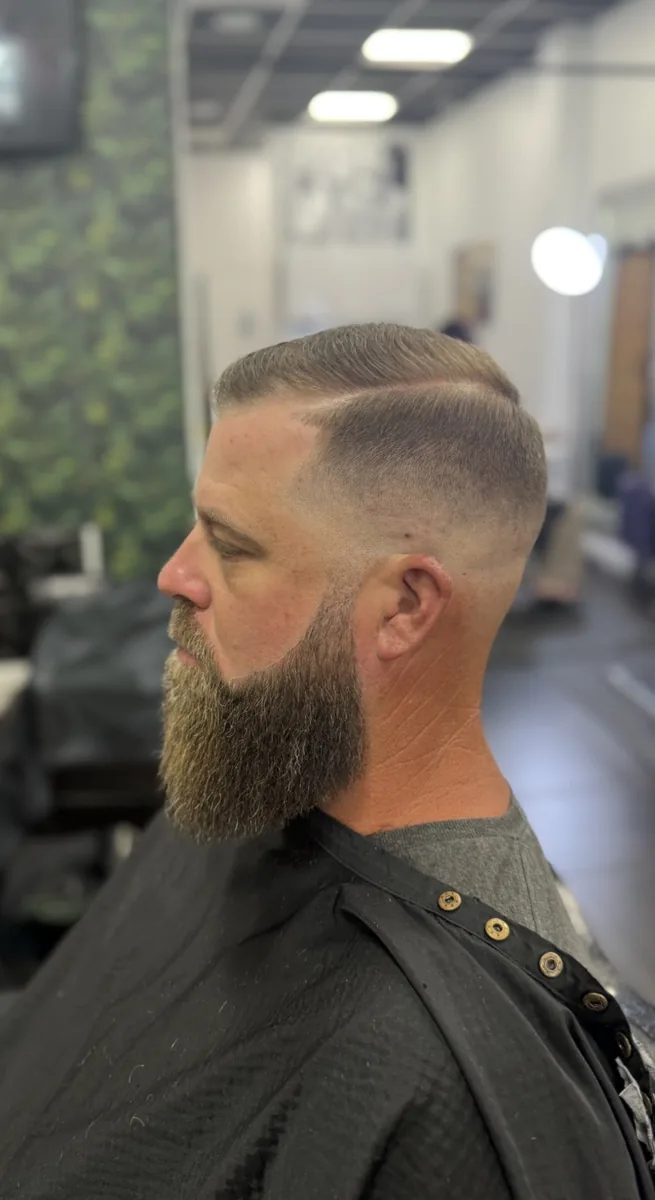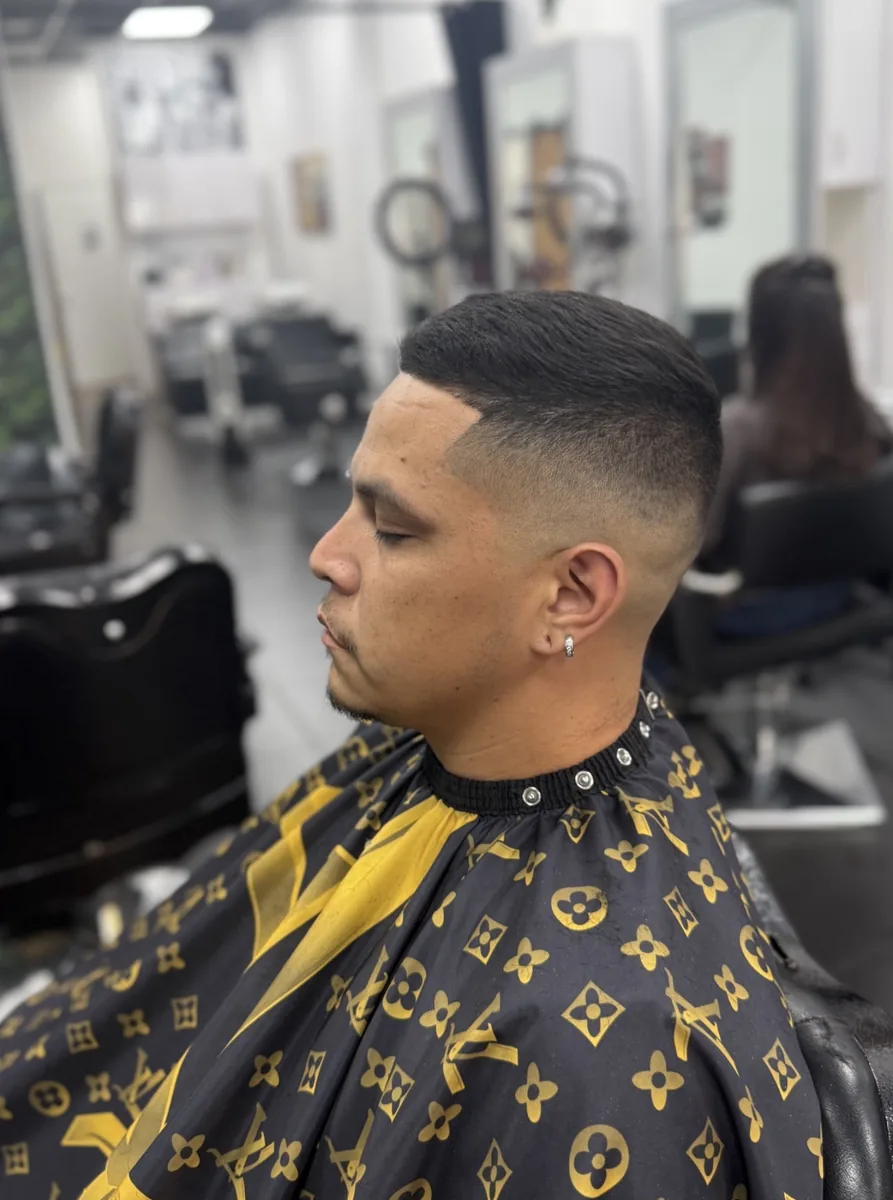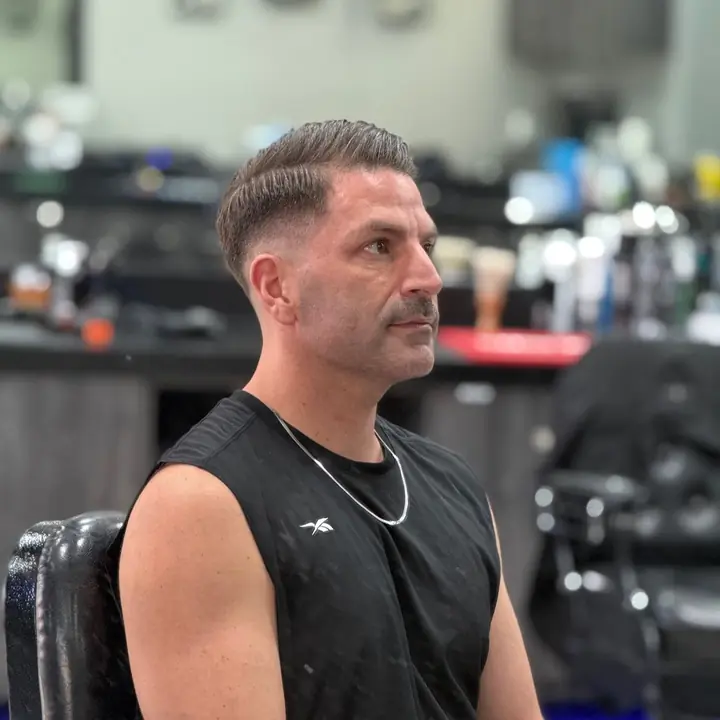

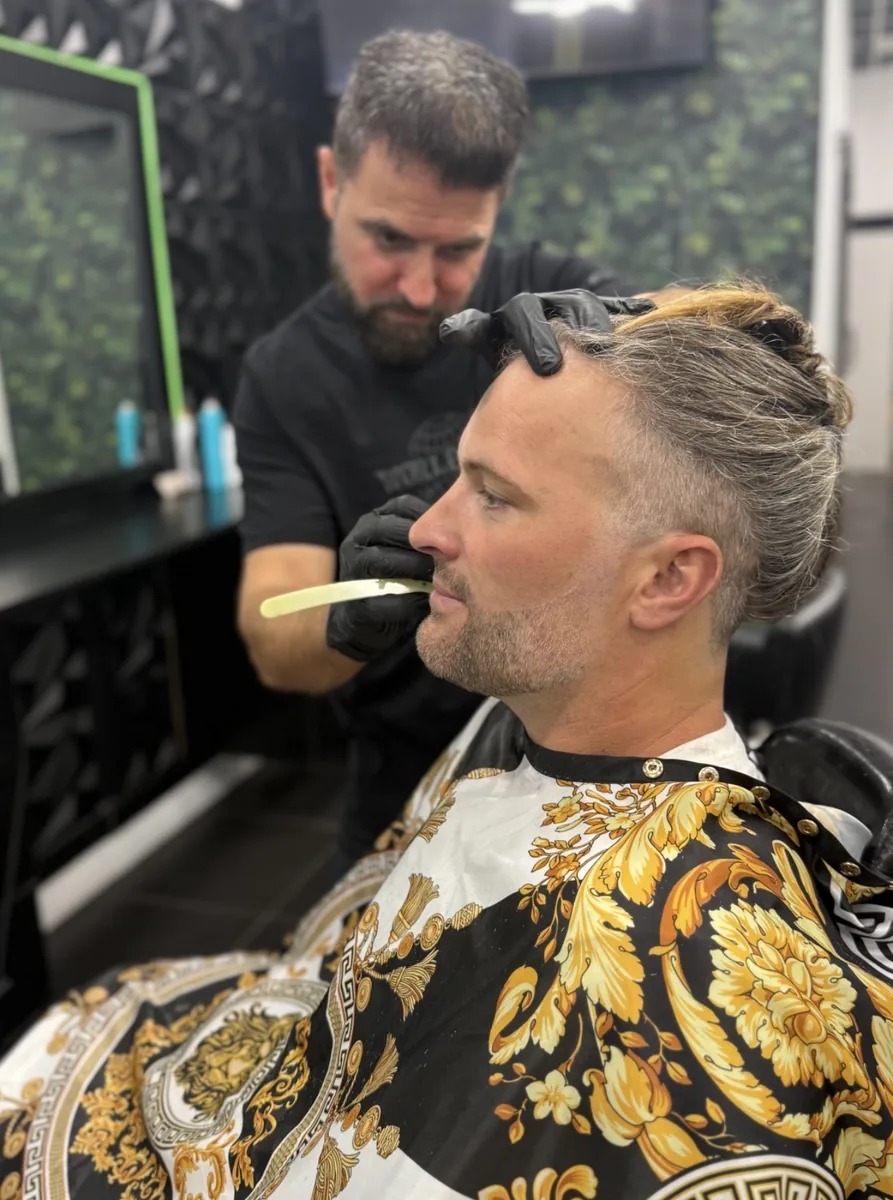
A face shave or a head shave in a barbershop is a skin service as much as a hair service. The goal is a close, even result without nicks, razor bumps, or a stripped, tight feeling afterward. Whether the barber uses a straight razor, a professional shavette, or a combination with clippers first, the preparation and the aftercare are what separate a comfortable shave from an irritating one.
How a traditional face shave is usually done
Shops vary in their exact sequence, but a professional face shave commonly includes some version of the following. The skin and hair are softened, often with a warm towel. A lather or shaving cream is applied so the razor can glide. The barber shaves with the grain first, and may make a second, careful pass only if the skin can tolerate it. A cool towel or a simple aftershave finish calms the skin, and moisturizer goes on at the end.
A “hot towel shave” is this idea with an emphasis on warmth: heat helps soften the hair, which is the same reason dermatologists suggest shaving at the end of a shower at home. If you have very sensitive skin, a history of razor bumps, acne, or moles, say so before the towel goes on. The barber can use less pressure, skip a second pass, or avoid a particular area.
Head shaves
A head shave follows similar logic on a larger, often more sun-exposed surface. Clippers may remove bulk first; the razor then evens the scalp. The skin on the scalp can be oilier in some places and drier in others, and any bump or scar will need a slower hand. Afterward, the scalp is uncovered. That is the main aftercare difference: sun protection becomes part of daily grooming, not an afterthought.
The American Academy of Dermatology recommends a broad-spectrum, water-resistant sunscreen with SPF 30 or higher on all exposed skin, including the scalp, ears, and neck, and reapplying it when you are outdoors. A shaved head will sunburn. A hat helps when you can wear one.
Reducing bumps and irritation, in the shop and at home
The AAD’s shaving guidance is straightforward and applies whether you are in a barber chair or at your sink:
- Start with soft, wet hair—after a shower or a warm towel, not on dry skin.
- Use a real shaving cream or gel, especially if your skin is dry or sensitive.
- Shave in the direction the hair grows. Against-the-grain passes increase the chance of ingrown hairs for many people.
- Rinse the blade often. A dull blade is more likely to tug and inflame the skin; disposable blades are typically changed every five to seven shaves.
- Let the razor dry between uses. A wet razor sitting in a shower is a better home for bacteria.
If you have acne on the face or scalp, shave lightly and do not try to shave over inflamed lesions. If razor bumps are a regular problem, a slightly less close shave is often more comfortable than the closest possible one. Between professional shaves, follow the same preparation at home, and moisturize. If you develop persistent bumps, infection, or discoloration, a dermatologist—not another closer shave—is the next step.