
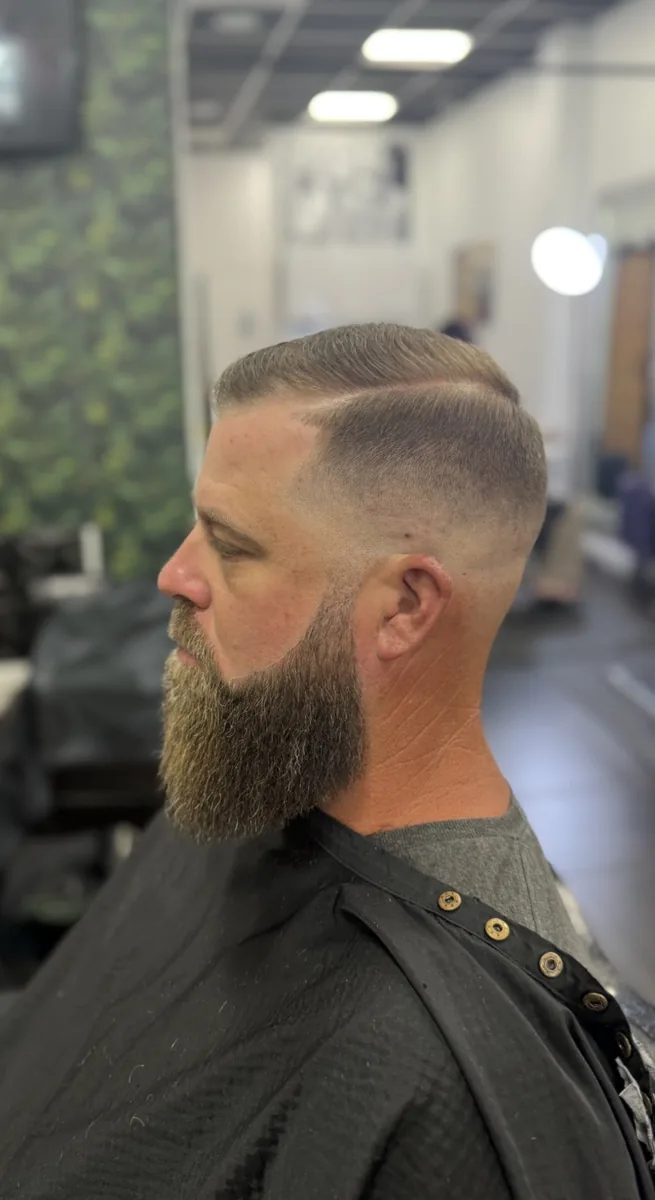
A beard is hair, but the problems people usually notice—itch, flakes, ingrown hairs, a ragged neckline—start with the skin underneath and with how the hair is cut. Daily care is simple. The American Academy of Dermatology’s advice for beards is consistent with good skin care in general: cleanse gently, moisturize, trim carefully, and stop fussing with the hair all day.
Wash and moisturize the skin, not just the hair
Dermatologists recommend washing your face and beard every day. Oil, sweat, dead skin, and whatever the day left in the hair will irritate the skin if they sit there. Use a gentle cleanser made for your skin type, and lukewarm water. Regular bar soap is often too harsh and can leave the skin under a beard dry and itchy.
Moisturize right after washing, while the skin is still slightly damp. What you use can change as the beard grows. During the stubble phase, the AAD notes that people who get ingrown hairs may benefit from a gentle exfoliating scrub once or twice a week, then moisturizer, and a moisturizer with at least SPF 30 on skin that is still exposed to the sun. Once the beard covers the skin, a beard conditioner, beard oil, or a gentle moisturizer—chosen for oily, dry, or sensitive skin—can take over. The point is to keep the skin from drying out, which is when beards feel bristly and itchy.
One more AAD tip that is easy to ignore: stop touching and stroking the beard. Hands transfer oil and bacteria, and constant fussing can inflame the skin.
Trimming without irritating the skin
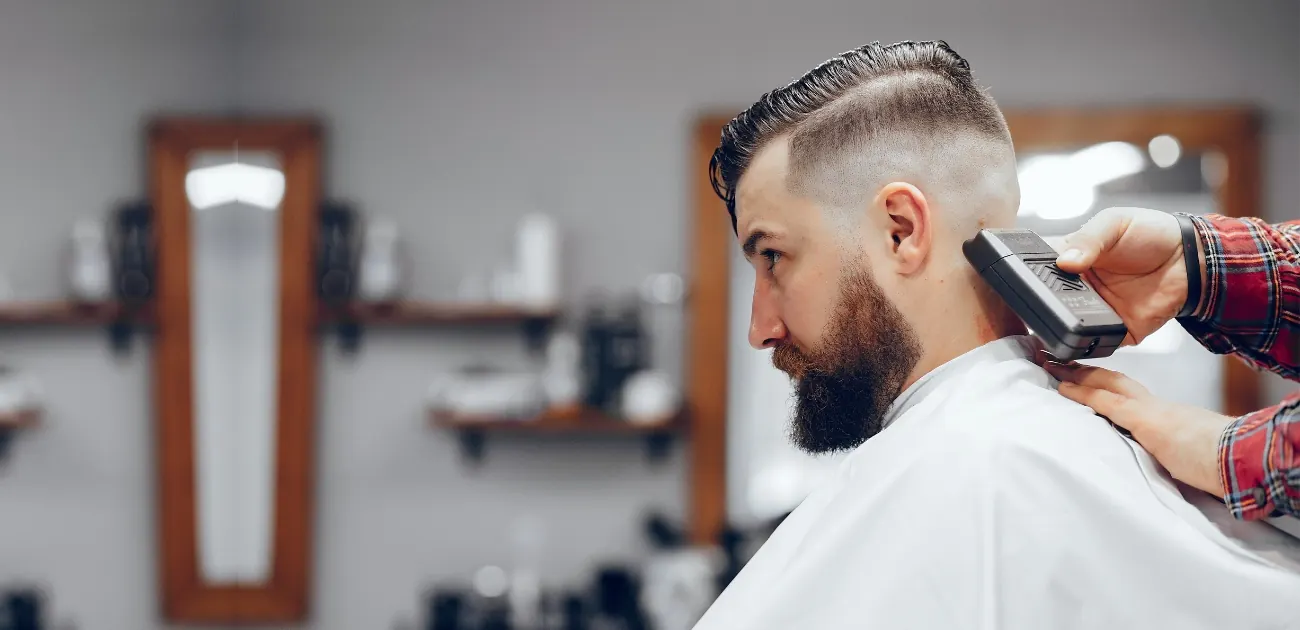
How you trim matters as much as how often. To reduce irritation, dermatologists suggest applying a shaving oil, cream, or gel before you trim, and using an electric trimmer—or scissors for longer hair—rather than scraping a dry beard with a blunt blade. If you shave the neck or cheeks to keep a line:
- Shave at the end of a shower, or right after, when hair is soft.
- Shave in the direction the hair grows. Going against the grain is a common cause of ingrown hairs.
- Rinse the razor after each pass, and change the blade about every five to seven shaves.
- Store the razor somewhere dry, not in a wet shower caddy, so bacteria are less likely to grow on it.
- Apply moisturizer, beard oil, or conditioner immediately after.
Ingrown hairs—short hairs that curve back into the skin—often show up in the stubble phase or after a close shave. The AAD’s prevention steps are patience and technique, not picking at the bumps. If the skin is painful, heavily inflamed, or not improving, that is a reason to talk to a dermatologist rather than treating it as a grooming issue only.
What a professional beard trim is for
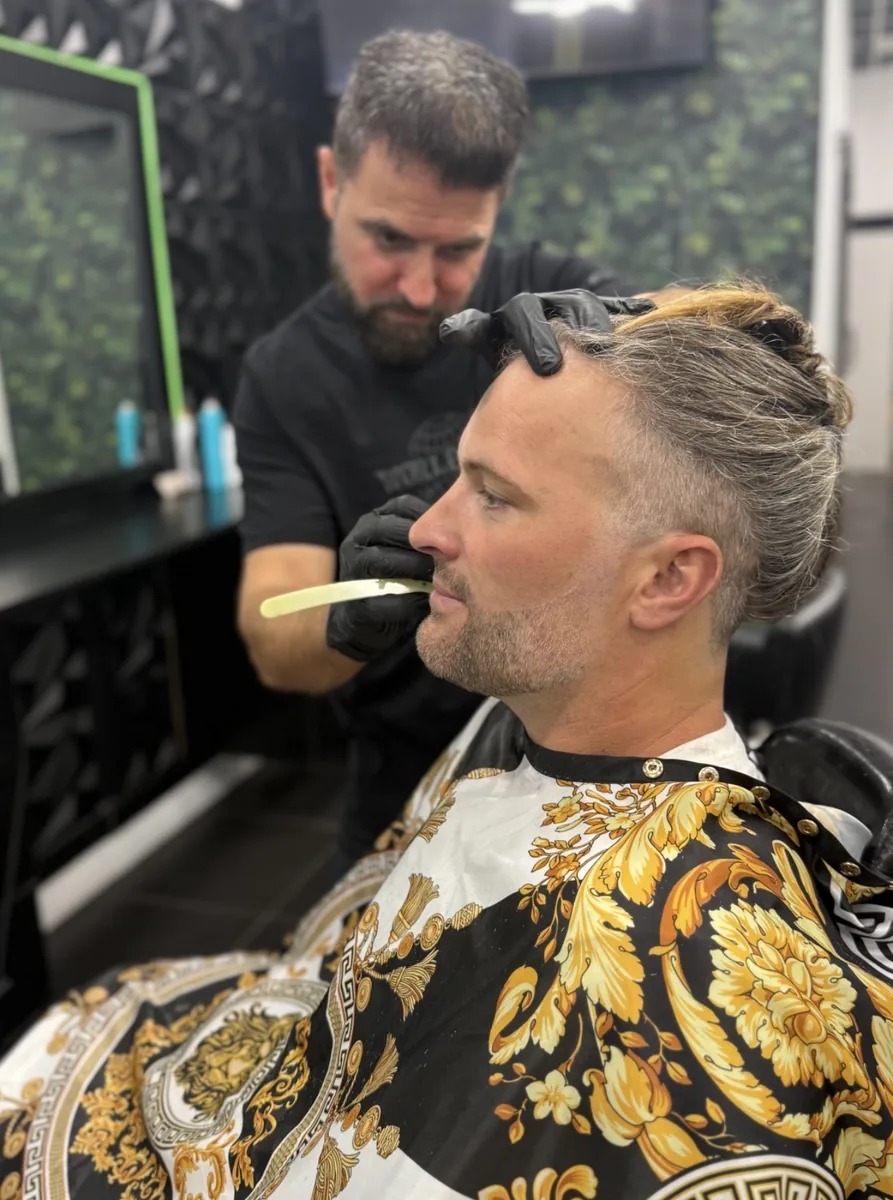
Home care keeps the beard and skin healthy. A barber’s beard trim is for shape: the cheek line, the mustache, the neckline, and the overall length in relation to your face and your haircut. Those lines are hard to see on yourself, and they are what make a beard look intentional rather than simply grown.
If you also get a haircut in the same visit, the barber can blend the sideburns into the beard so the two are not fighting each other. Between visits, trim only to the length they set, and leave the outline alone if you are not confident you can match it. A grown-out shape is easier to restore than an uneven one.
Coming from a nearby neighborhood
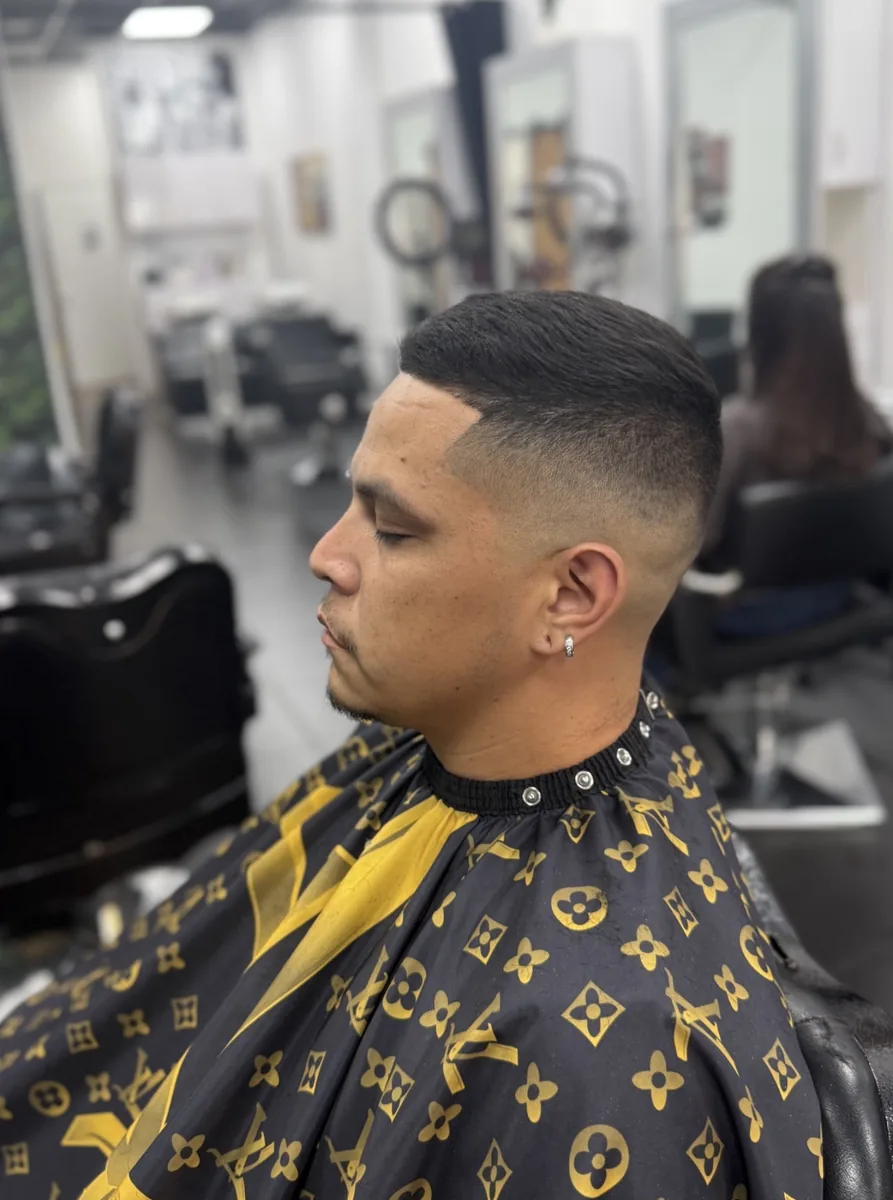
Omnia’s chair sits on Fifth Avenue in Hillcrest, which borders Mission Hills, Bankers Hill, University Heights, and North Park. If you are coming from any of those neighborhoods for a fade, a beard trim, or a regular haircut, you are looking at a short trip into a walkable commercial street, not a drive across the city. Build a few extra minutes for parking, especially on weekends.