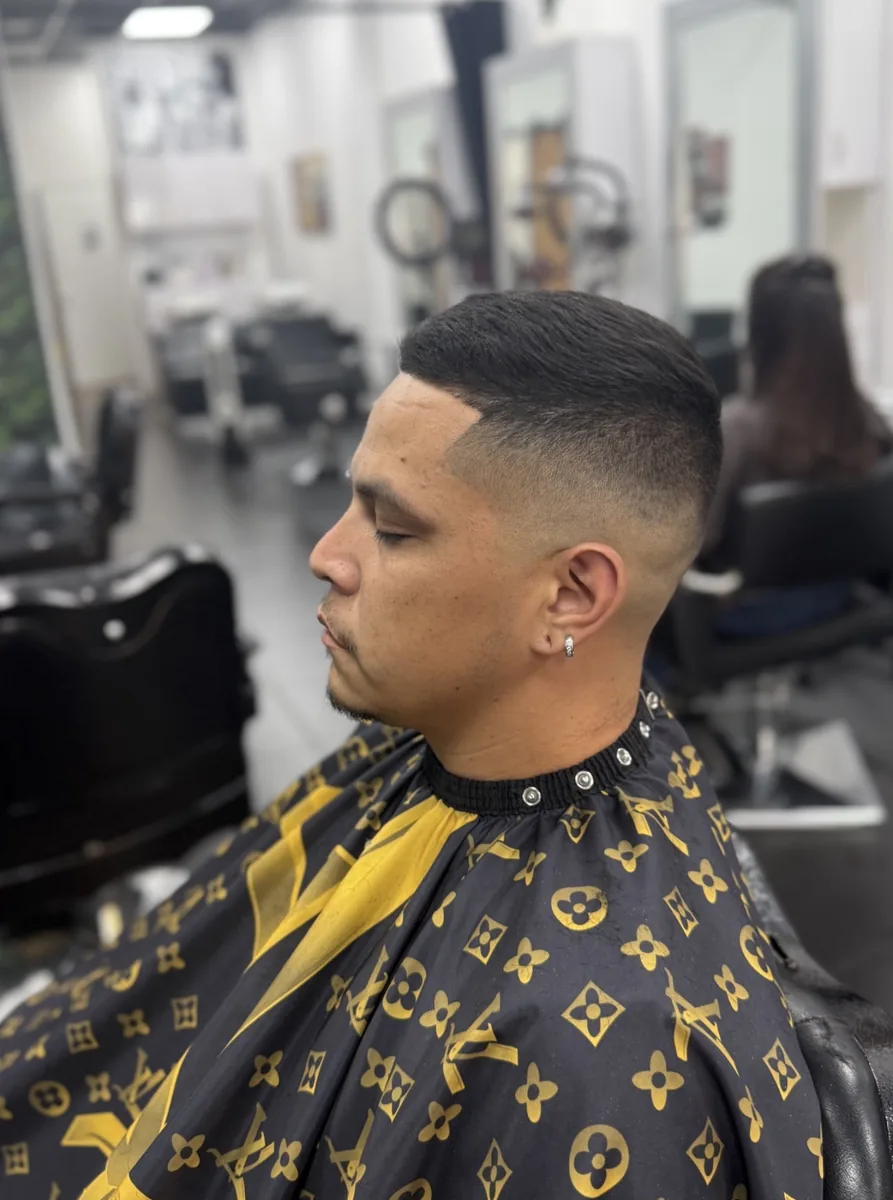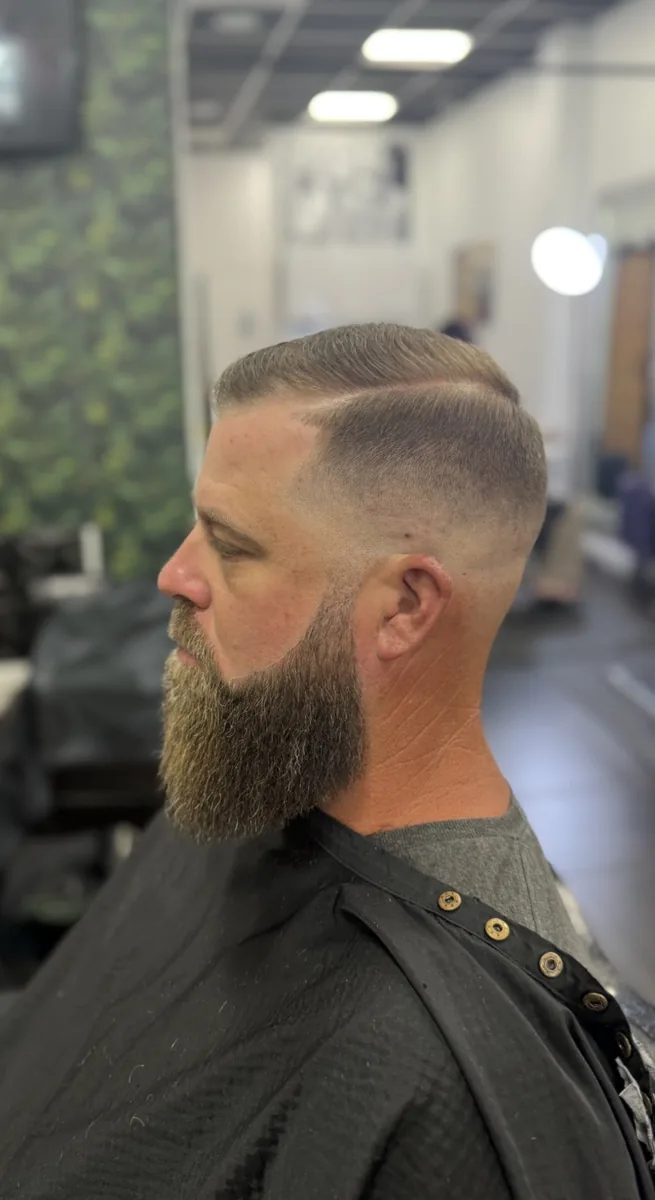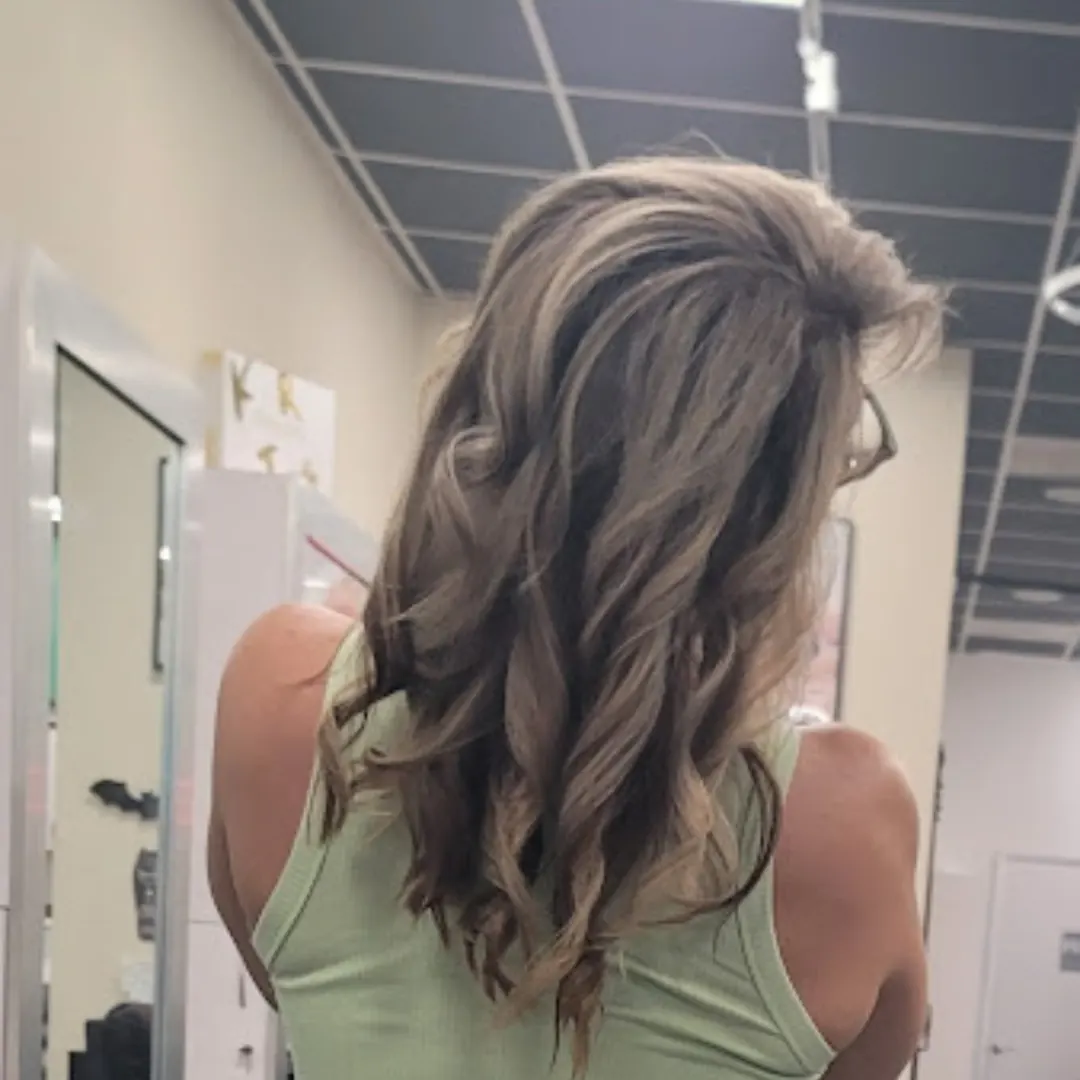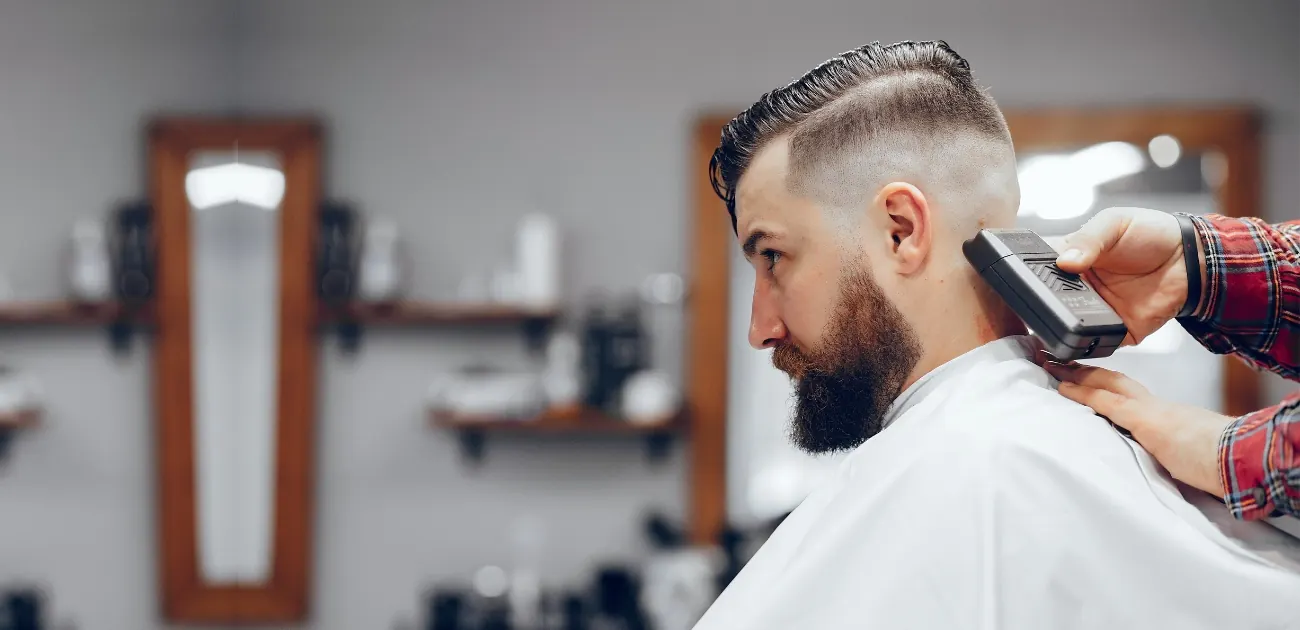

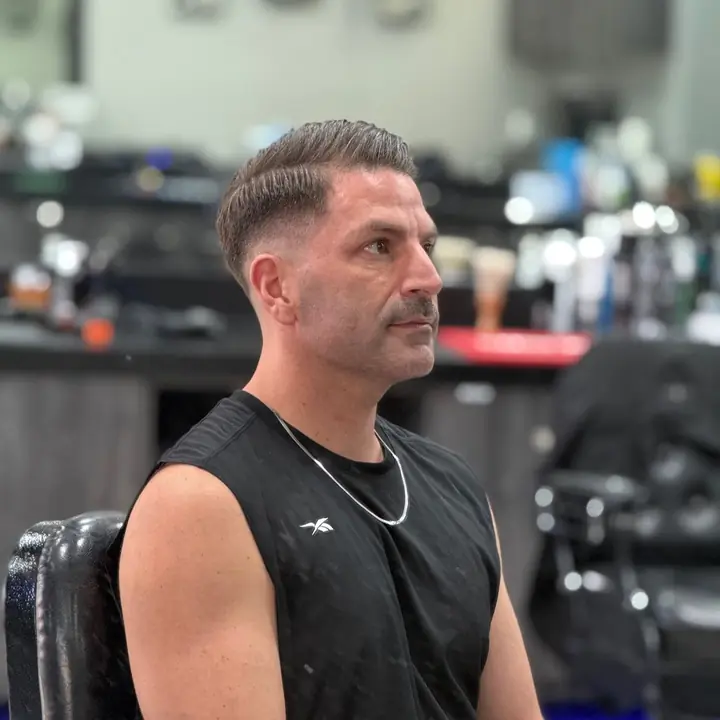
Choosing a barber is less about finding a secret technique and more about finding a person who listens, who can cut your hair texture, and who will still look at the result the way you live with it a week later. A strong first visit is a short conversation followed by a cut you can evaluate in your own bathroom lighting, not only under shop lights.
Look at the work, not only the shop
Photos of real clients—especially people with a similar hair texture, density, and hairline to yours—tell you more than a polished logo. If you want fades, look at blends and necklines. If you wear a beard, look at how the shop handles cheek lines and the transition from sideburn to beard. If your hair is curly, coarse, straight and fine, or thinning, look for those heads, not only for one popular style.
Cleanliness matters for obvious reasons: tools, capes, the chair, the floor. So does the pace of the shop. A chair that is never rushed is not the same as a chair that is never booked. You want enough time for a consultation and a careful outline, especially on a first visit.
Questions worth asking before the first clipper pass
- “Does this photo make sense on my hair?” A good barber will say if your density, cowlick, or hairline will change the result, and will suggest an adjustment instead of promising a copy of someone else’s head.
- “How should I ask for this next time?” Leaving with a simple description (for example, a mid fade with a little weight on the sides, top combed to the right) makes the second visit easier, including if you see a different barber in the same shop.
- “How does this grow out?” If you come in every four weeks, a tight skin fade may look less like the photo in week three. Asking this up front lets the barber leave slightly more length where it will matter.
- “Can we connect the beard and the haircut?” If you wear both, they should be planned together: sideburns, cheek line, and neckline.
- “What should I do at home?” You should leave knowing whether the cut is meant to be air-dried, blow-dried, or worn with a small amount of product—and what to leave alone.
How to judge the cut after you get home
The first look in the shop mirror is only a start. The useful test is the next morning, in your usual mirror, styled the way you actually get ready for work. Check the neckline and the area behind the ears, the balance from both sides, and whether the top has enough length to do what you asked. A fade should be smooth, without steps you can see from a conversational distance. A taper should look tidy, not abruptly chopped.
If something is off, say so calmly and specifically, ideally soon, while the intent of the cut is still clear. “The left sideburn is longer” is something a barber can fix. “I just don’t like it” is harder to act on. It is reasonable to expect a shop to want you to leave happy; it is also reasonable to give a new barber a clear brief and a fair chance, especially on a first haircut together.
Over time, the best signal is consistency. When a barber remembers how you like the temples, or notices that your crown sits up if it is cut too short, that is the relationship working. You can still switch if the work stops matching what you want. Your hair is allowed to change, and so is your barber.
Coming from a nearby neighborhood
Omnia’s chair sits on Fifth Avenue in Hillcrest, which borders Mission Hills, Bankers Hill, University Heights, and North Park. If you are coming from any of those neighborhoods for a fade, a beard trim, or a regular haircut, you are looking at a short trip into a walkable commercial street, not a drive across the city. Build a few extra minutes for parking, especially on weekends.